Media
In this section, you’ll find our press releases, as well as photos of the Museum and our exhibitions. For videos, please see our YouTube channel or our Facebook page.
To learn more about Pointe-à-Callière, take a look at our About section.
Resources for media
For photos of the Museum and its permanent exhibitions
Pour media relations
Katia Bouchard
T. : 514 872-9124
[email protected]
Press releases 2026


Presse releases 2025


Press releases 2024



Press releases 2023


Press releases 2021




- Outstanding results in 2021December, 2021
- New cultural season - 2022December, 2021
- Free admission at Pointe-à-Callière over the holidaysDecember, 2021
- The Magic of Christmas meets the Wonderful World of the Circus at Pointe-à-CallièreDecember, 2021
- "Montréal. Capital City" is now available in EnglishFebruary, 2021
- It's Circus Time!October 2021
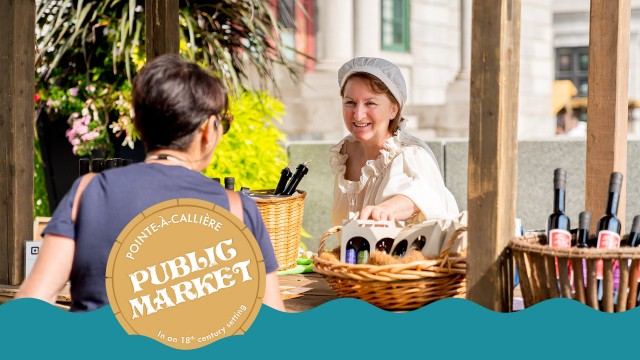
- 18th Century Public Market
- Crossroads Montréal
- Italian Montreal
- A Railroad to Dreams
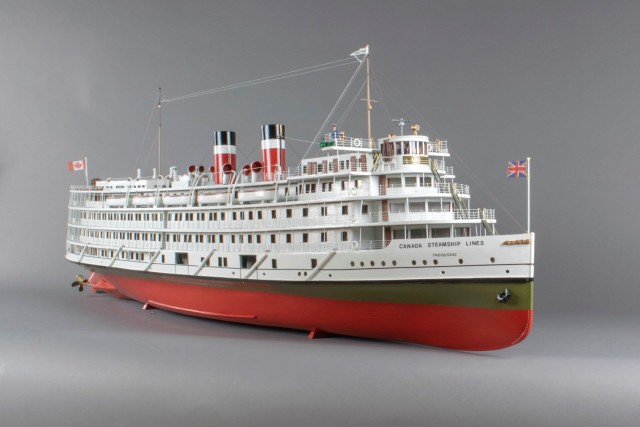
- Come Aboard! Pirates or Privateers?
- Raconter Montréal podcast
The Incas, Treasures of Peru
Dinner Is Served! The Story of French Cuisine
Generations MTL and Building Montréal
Into the Wonder Room
Événement La Petite Vie
Cultural Activities
- Spring Break at Pointe-à-Callière: Spotlight on Québec traditions and La Petite Vie!February 2019
- Pointe-à-Callière celebrates 75 years of support from the Montréal auxiliary firefightersSeptember 2019
- Do you dare make your way into Pointe-à-Callière’s archaeological remains at Halloween?September 2019
- A holiday journey around the world at Pointe-à-CallièreDecember 2019
Museum
- Pointe-à-Callière remporte le prix Excellence de la Société des musées du Québec 2018.
- Last chance for the exhibition Queens of Egypt!
- Fréquentation record : plus de 460 000 visiteurs à Pointe-à-Callière en 2017January 2018
- Francine Lelièvre est promue Officière de l’Ordre national du QuébecJune 2018
- Pointe-à-Callière remporte deux prix prestigieuxApril 2018
Cultural activities
Cultural activities
- La Coupe Stanley pour une journée seulement le 3 janvier à Pointe-à-CallièreDecember 2017
- L’Espace urbain à Pointe-à-CallièreJune 2017
- Les Rencontres en Nouvelle-France : un événement incontournableMay 2017 (in French only)
- Pointe-à-Callière Keeps Its Doors Open Late for Nuit BlancheFebruary 2017
- Lots of New Activities for March Break at Pointe-à-CallièreFebruary 2017
Exhibitions
- Passion: HockeyNovember 2017
- Exhibition photos: Passion: HockeyHigh resolution
- A Fabulous Journey to the Heart of Amazonia, Its River, Its Forest and Its PeoplesApril 2017
- Exhibition photos - AmazoniaHigh Resolution
- Hockey Exhibition at Pointe-à-Callière Call for Collectors’ ItemsMarch 2017
- Talking About the Evolution of Communications through Telephony!February 2017
- Exhibition photos - Hello, Montreal!High Resolution
Museum
- Discovering Québec differently - EAU – Dans le sillage du tempsNovember 2017
- Pointe-à-Callière, where Montréal was bornNovember 2017
- The Archéolab.Québec virtual collectionNovember 2017
- Francine Lelièvre receives an honorary doctorate from the Université de MontréalNovember 2017
- Remarkable items unearthed at Quebec’s most significant archaeological dig siteOctober 2017
- Photos: dig results - October 2017High resolution
- Pointe-à-Callière rend hommage à Dan HanganuOcobre 2017
- One of the most important archaeological dig sites in the country is open to the publicJuly 2017
- Photos: Archaeological DigsHigh Resolution
- Where Montréal BeganMay 2017
- Photos: Where Montréal Began and Memory CollectorHigh Resolution
- NominationMay 2017
- Pointe-à-Callière, Where Montréal Began, Offers Itself up as the Perfect Birthday Gift for its Own 25th Anniversary and Montréal’s 375th BirthdayJanuary 2017
- Photos: Programme Launch 2017High Resolution
- Video excerpts: Programme launch 2017
Cultural activities
Museum
Exhibitions
- From the Lands of Asia – A World Premiere at Pointe-à-CallièreNovember 2016
- Photos of Objects - From the Lands of AsiaHigh Resolution
- Exhibition photos - From the Lands of AsiaHigh Resolution
- Of Horses and Men – The Émile Hermès Collection, ParisMay 2016
- Pictures - Of Horses and MenHigh Resolution
- Pointe-à-Callière presents the first major exhibition dedicated to Québec archaeologyFebruary 2016
- Pictures - Fragments of humanityHigh Resolution
Cultural activities
Museum
Exhibitions
- Agatha Christie Returns to MontréalDecember 2015
- The Aztecs in Montréal - Over 150,000 visitors to Pointe-à-Callière!October 2015
- Investigating Agatha ChristieSeptember 2015
- The Aztecs, People of the SunMay 2015
- Pointe-à-Callière welcomes its 100,000th visitor since the opening of The Greeks – Agamemnon to Alexander the GreatMarch 2015
- Snow: a delightful and invigorating new temporary exhibition!February 2015
Exhibitions
- Pointe-à-Callière Presents the World Première of the Largest Exhibition on Ancient Greece Ever Produced in North AmericaDecember 2014
- A new virtual exhibition looks back at The Great Peace of MontréalAugust 2014
- Marco Polo – An Epic JourneyMay 2014
- Pointe-à-Callière acquires a major collection of Montréal postcardsMarch 2014
Museum
- Francine Lelièvre receives the Order of CanadaNovember 2014
- Andrew Molson appointed Chairman of the board of directors of Pointe-à-Callière, Montreal’s Archaeology and History ComplexNovember 2014
- GénérationsCité: making new history at Pointe-à-CallièreJune 2014
- Francine Lelièvre presented with the 2014 “Award of Distinguished Service” from the Canadian Museums AssociationApril 2014
Exhibitions
Museum
- An Extraordinary $1 Million Donation from the J. Armand Bombardier Foundation for Pointe-à-Callière’s Major Fundraising CampaignDecember 2013
- The National Bank makes an exceptional $1 million donation to the Pointe-à-Callière Foundation’s Major Fundraising CampaignNovember 2013
- The Pointe-à-Callière Foundation launches its very first fundraising campaignNovember 2013
- 2013 Archaeological Dig Campaign: Major discoveries on the site of St. Ann’s Market and the Parliament of the United Province of CanadaNovember 2013
- Francine Lelièvre, recipient of the “2013 Career Award” from the Société des musées québécoisOctober 2013
- La Mémoire du temps: memories for the futureSeptember 2013
- Looking for the remains of St. Ann’s Market and the Parliament of the United Province of CanadaAugust 2013
- Major Discovery at the Parliament of the United Province of Canada Archaeological Dig SiteAugust 2013
- Pointe-à-Callière carries out a new dig campaign on the site of St. Ann’s Market and the Parliament of the United Province of CanadaAugust 2013
- The Pointe-à-Callière Foundation Raises $200,000 at the Montréal Builders Club Benefit EveningJune 2013
- Francine Lelièvre, winner of Tourisme Montréal’s Grand Ulysse PrizeMarch 2013
- The Mariners’ House: A Place for All!March 2013
- A place anchored in historyMarch 2013
- A contemporary project built on historyMarch 2013
- A new gift shop to exploreMarch 2013
- An ideal venue for prestige eventsMarch 2013
- A new home for the Pointe-à-Callière FoundationMarch 2013
- Nicolas Baier: saluting the passage of timeMarch 2013
- A nautical-themed multimedia installationMarch 2013
- Preserving memories: time capsulesMarch 2013
- Come on an archaeological adventure!March 2013
Exhibitions
Museum
- The Pointe-à-Callière Foundation Raises Over $200,000 at Its Major Donors EveningNovember 2012
- Pointe-à-Callière Receives an International Prize for Its Yours Truly, Montréal WebsiteOctober 2012
- Francine Lelièvre Wins the 2012 Lieutenant-Governor’s AwardOctober 2012
- Jacques Parisien named Chair of the Board of Trustees of the Société du musée d’archéologie et d’histoire de Montréal, Pointe-à-CallièreSeptember 2012
- The Pointe-à-Callière Foundation Raises $155,000 at the Montréal Builders Club Benefit EveningJune 2012
- 20 Events to Celebrate Pointe-à-Callière’s 20th Anniversary in 2012April 2012
- For its 20th anniversary, Pointe-à-Callière is opening a fifth building in 2012January 2012
Exhibitions and news about the Museum
- Colours of India: a mosaic of landscapes, ethnies and religious beliefsNovember 2011
- To Your Health, Caesar! Wine and the GaulsMay 2011
- Sainte-Catherine Street Makes the Headlines!December 2010
- Using Art and Technology to Share Our HistoryNovember 2010
- Pointe-à-Callière presents 100 Years UndergroundJune 2010
- Moai, reimiro, ua… the Fascinating Objects of Easter IslandJune 2010
- Easter Island, An Epic VoyageJune 2010
- Pointe-à-Callière Is ExpandingMay 2010
- Exploring Francophone and Native oral traditions in North AmericaFebruary 2010
- Pirates, Privateers and Freebooters - A new and adventure-filled temporary exhibitionMay 2009
- Costa Rica, Land of WondersNovember 2008
- Francine Lelièvre, Executive Director of Pointe-à-Callière awarded France's National Order of MeritJuly 2008
- An original installation that sheds light on the forming of couples in New FranceMay 2008
- France, New France. Birth of a French People in America. New temporary exhibitionMay 2008