Permanent exhibitions

Where Montréal Was Born, our multimedia show, Montréal Love Stories - The Cultural Connection, the Youville Pumping Station – Pointe-à-Callière’s permanent exhibitions are a wonderful way to learn about Montréal, yesterday and today. Come see for yourself.

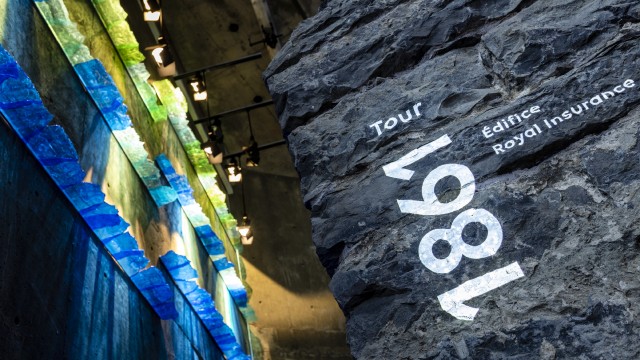
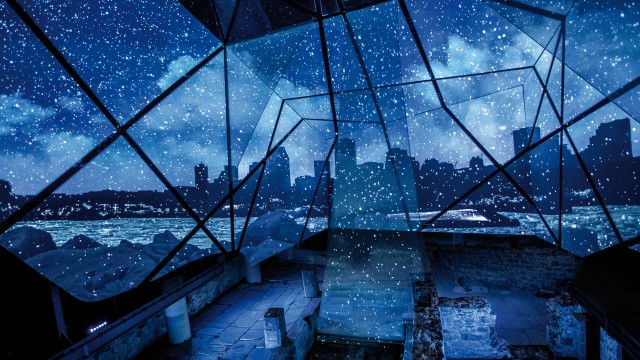
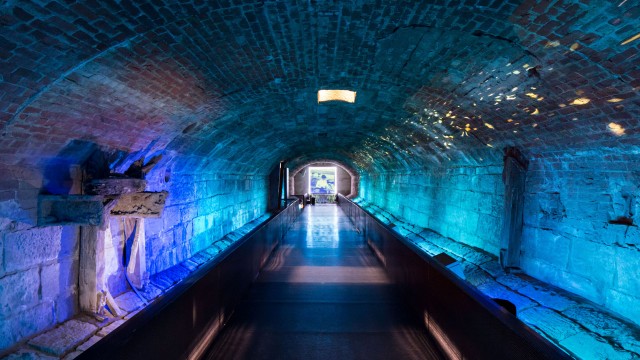
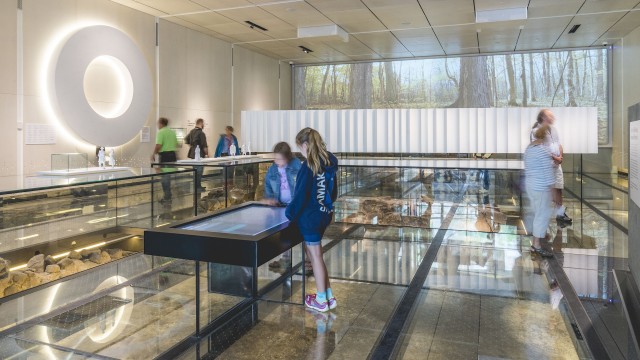
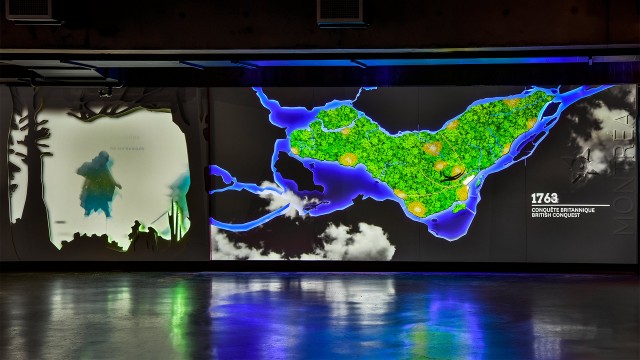
Where Montréal Was Born takes visitors to the heart of an authentic archaeological site: the birthplace of Montreal. The unusual underground route covering six centuries of history, from the times when Natives camped here to the present day, is an emotion-packed look at the very essence of a city born over 360 years ago.

Details

Yours Truly, Montréal whisks you off on a fascinating trip back in time. 

Details

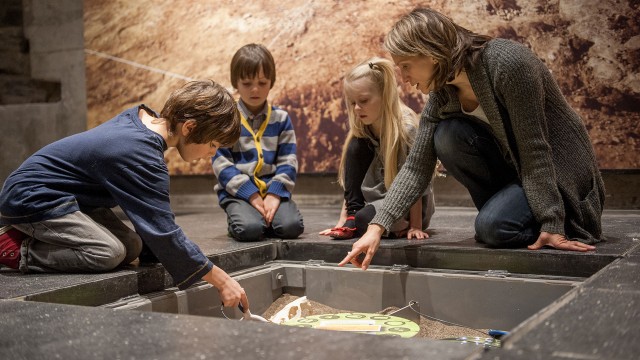
With the Archaeo-Adventure workshop, exclusive to Pointe-à-Callière, the Museum gives young people and families a chance to experience a simulated archaeological dig, first on the site, then in the head archaeologist’s tent and the laboratory space. This space in the basement of the Mariners’ House is a very realistic reproduction of a dig site, offering visitors an unusual and rewarding scientific experience.

Details

Why is it that so many men and women have chosen to live and love one another in Montréal? Why, despite the hectic pace and daily tribulations of a large city, do so many people say that they wouldn't want to live anywhere else? Explore this enchanting, colourful exhibition and let Montréal men and women explain their passion in their own ways. Through letters, objects and first-hand stories from Montrealers representing different communities, photos depicting urban landscapes, video montages and works by local artists, the exhibition presents a series of intimate portraits leading visitors to the very heart of the crossroads of peoples that is Montréal.

Details

The Youville Pumping Station, at 173 Place d'Youville, was Montréal’s first electrically powered wastewater pumping station. The building, now converted into an interpretation centre, dates from 1915 and showcases some ingenious artifacts that are nearly a century old. Carefully preserved motors, pumps, valves and electrical equipment are now used to explain the role and operation of the station.

Details